
A 220 volt electric tankless water heater heats water on demand with electric elements. It has no tank, so it takes little floor space and does not lose heat standing in a tank. The catch is the electrical demand. A whole-house electric tankless unit can draw as much power as several kitchen appliances running at once.
That makes the panel, the wiring and the flow rate the three things to settle first. This guide lays out the questions an electrician and a plumber will ask, so you can have the answers ready.
Why the electrical side comes first
Whole-house electric tankless heaters usually require several dedicated circuits, with large breakers and heavy wire. The exact amperage varies by model, so read the manual for the unit you are considering. If your panel has no room, or your service is small, a panel upgrade may be part of the project.
A licensed electrician should size the wiring and breakers. We handle the plumbing side, including the water connections, isolation valves and relief valve, and we coordinate with the electrician. Do not buy a unit before checking the electrical capacity.
Flow rate and temperature rise
The plumbing side of sizing is about flow and heat.
Flow rate
How many gallons per minute you need when several fixtures run. Showers, dishwashers and washing machines add up.
Temperature rise
How much the unit must warm the water. Colder incoming water in winter lowers the flow a unit can deliver.
Point of use or whole house
Small units can serve a single sink or shower. A whole-house unit serves everything and draws much more power.
Minimum flow
Tankless units need a minimum flow to fire. Very low flow at a tap can leave water cold.
Electric tankless compared with gas tankless
The fuel changes the install and the running costs.
Electric tankless
- No gas line or flue needed
- Simple vent-free install
- Heavy electrical demand and wiring
Gas tankless
- Higher flow per unit
- Needs a gas line sized for the load and venting
- More complex install, with a condensate drain
A planned install in order
A typical sequence for an electric tankless project.
- 1
Load check. An electrician reviews the panel and service size.
- 2
Unit selection. Match the unit to flow, temperature rise and circuit capacity.
- 3
Install. Mount the unit, connect water with isolation valves, and run the electrical circuits.
- 4
Commission. Purge air, test flow and temperature, and set up descaling access.
- 5
Maintenance plan. Schedule a yearly flush, especially with mineral-heavy water.
Cheshire note: water, permits and the utility
Cheshire's public water comes from the Regional Water Authority. The report we reviewed lists no hardness figure for the town, so we do not quote one. If you want to know yours, test your tap. Hard water leaves scale on heating elements, and a descale flush keeps the unit performing.
Permit rules vary. The Cheshire Building Department at 84 South Main Street issues plumbing permits through its Building Official, and projects often need electrical permits as well. Ask at 203-271-6640.
Sources: Regional Water Authority annual water quality report and Town of Cheshire Building Department page.
Maintenance: the yearly flush
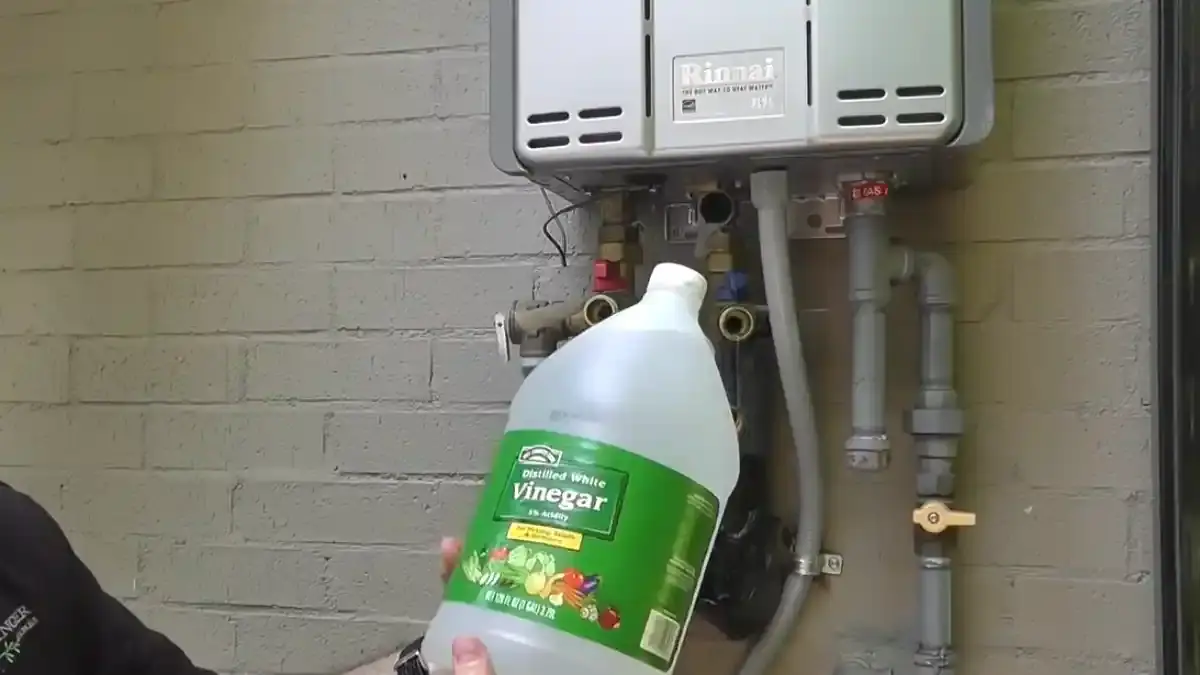
Scale is the main enemy of an electric tankless heater. It coats the elements and reduces heat transfer. A yearly flush with vinegar or a manufacturer-approved cleaner removes it, and service valves make the job easy. If your unit has no service valves, ask us to add them.
Our tankless water heater page covers installs, flushes and repairs. If you are replacing a failed tank, water heater replacement covers the emergency path.
Cold-water inlet and the winter drop
The temperature of the incoming water changes through the year. In a Connecticut winter the supply can be much colder than in summer, so the heater has to add more heat to reach the same output temperature. An electric unit with a fixed power rating will deliver less flow in January than in July.
Size the unit for the cold month, not the warm one. A unit that works well in summer and runs out of hot water in winter was sized for the wrong season. Ask the plumber which inlet temperature the manufacturer used in its flow charts, and size with a cold-water assumption.
Point-of-use units and where they help
Small electric tankless units can serve a single fixture, such as a remote bathroom sink, a basement laundry tub or a garage utility sink. They draw less power than a whole-house unit, and they avoid long waits for hot water at the far end of a house.
They are not a substitute for a whole-house heater when several fixtures run together. For an addition or a distant bathroom, though, a point-of-use unit can be the cleanest way to deliver hot water without running a long line. We can help you decide between that and extending the existing system.
Water pressure and plumbing connections
An electric tankless heater needs adequate water pressure to deliver its rated flow. Low pressure and small supply pipes reduce what the unit can do. A plumber checks pressure at an outdoor spigot, and checks the pipe size between the meter and the heater.
Isolation valves on both sides of the unit make flushing simple, and a relief valve on the outlet is required. A water filter or sediment screen at the inlet protects the heat exchanger, since grit can foul small passages.
What the code says about electric tankless units
The model code behind Connecticut plumbing is the 2021 IPC, adopted through the 2022 State Building Code. The plumbing code covers the water side, and the electrical side has its own rules. We do not guess at permit rules on the phone. The Cheshire Building Department, 84 South Main Street, is the office that decides.
Is it worth it?
For a small household with low demand and a good electrical panel, an electric tankless can work well. For a large household, a gas tankless or a heat pump tank is often a better match. We will tell you plainly if your house fits.
We serve Prospect and Meriden as well as Cheshire. Call (203) 720-6269 and bring the model you are considering.
Questions about this topic in Cheshire
Whole-house electric units exist, and they need large dedicated circuits. Check the panel and the unit's specification.
Yes. A licensed electrician sizes the wiring and breakers. We do the plumbing and coordinate.
Scale reduces performance and shortens element life. In Cheshire, test your tap and flush the unit yearly.
No. Electric units need power to heat.
It involves electrical work and water connections. A licensed plumber and electrician should handle it.